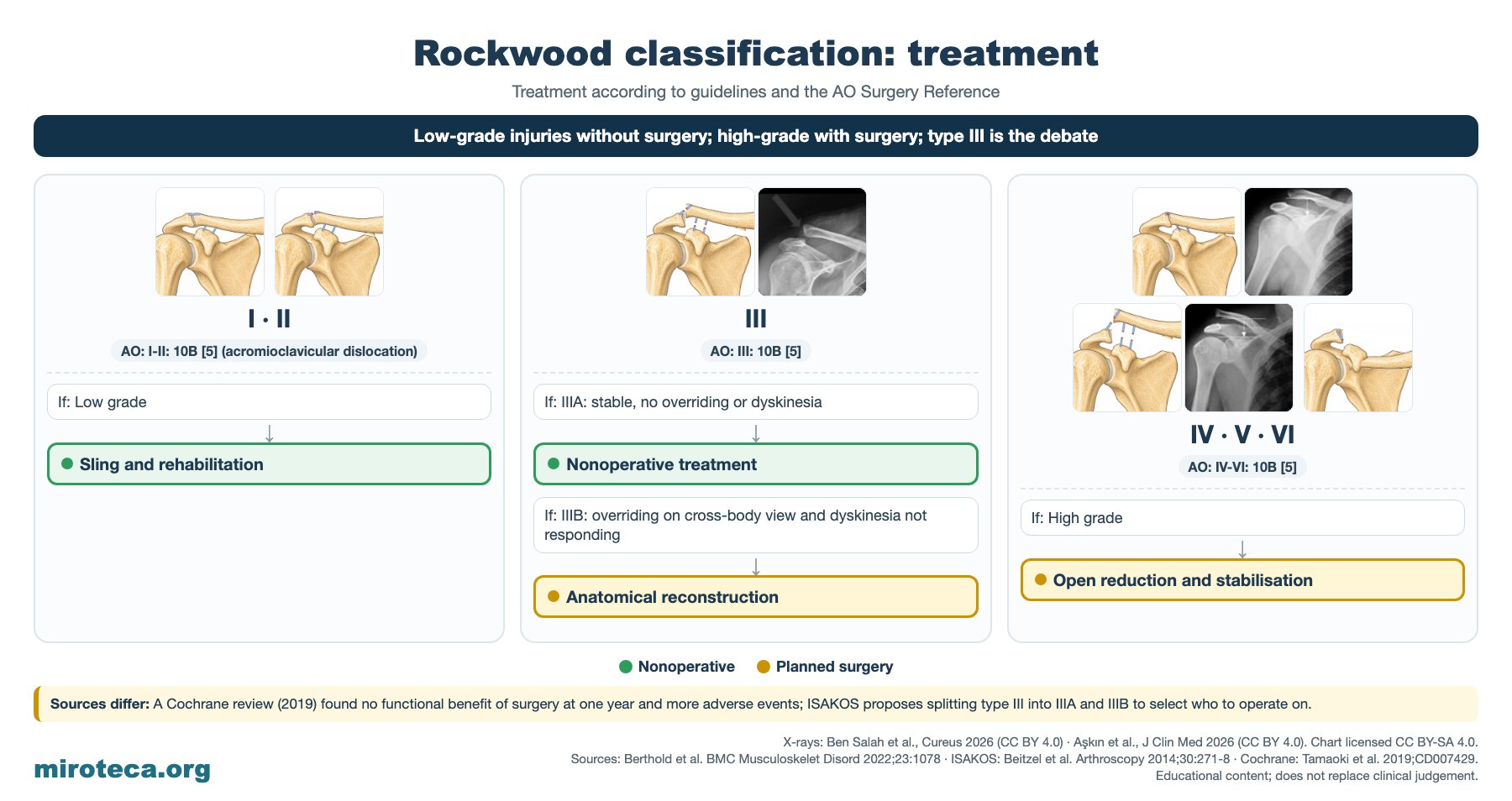
Rockwood classification: treatment by type, age and patient data
Low-grade injuries without surgery; high-grade with surgery; type III is the debate.
Educational content; does not replace clinical judgement. Download
Each type and its treatment
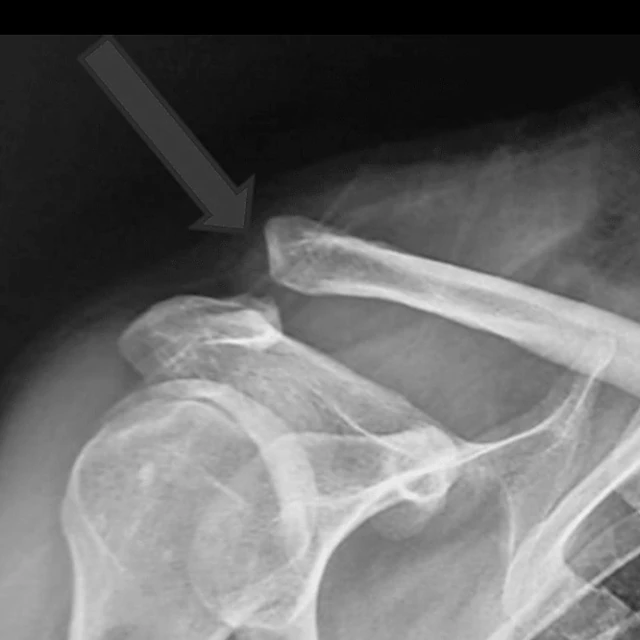
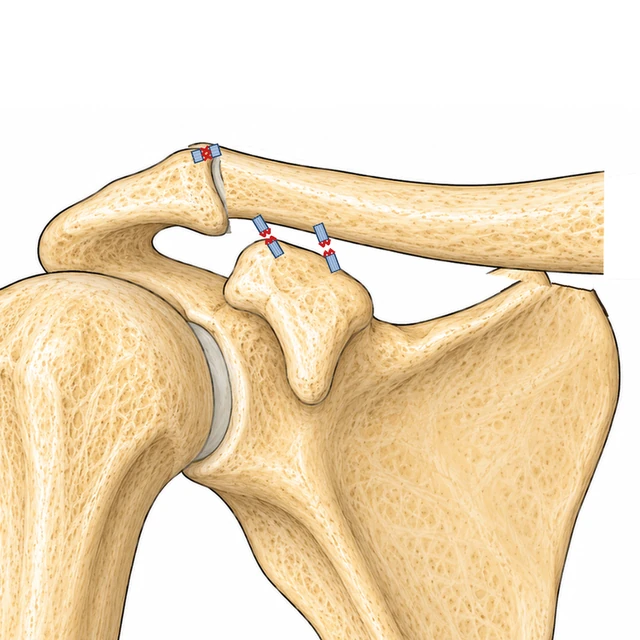
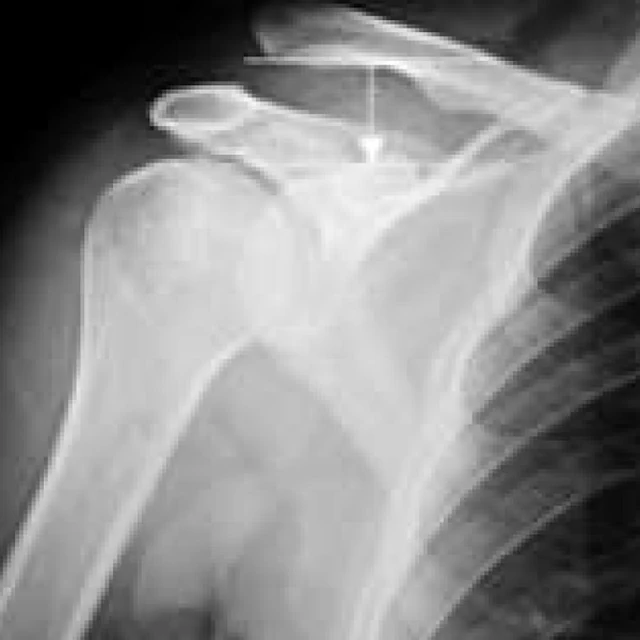
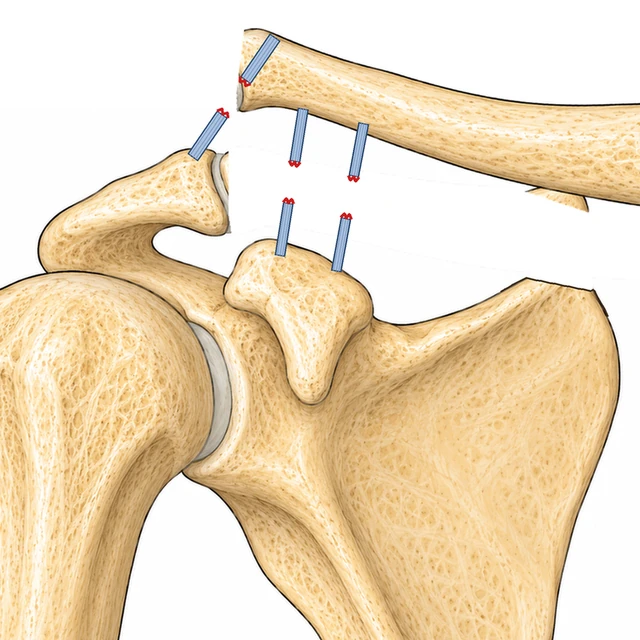
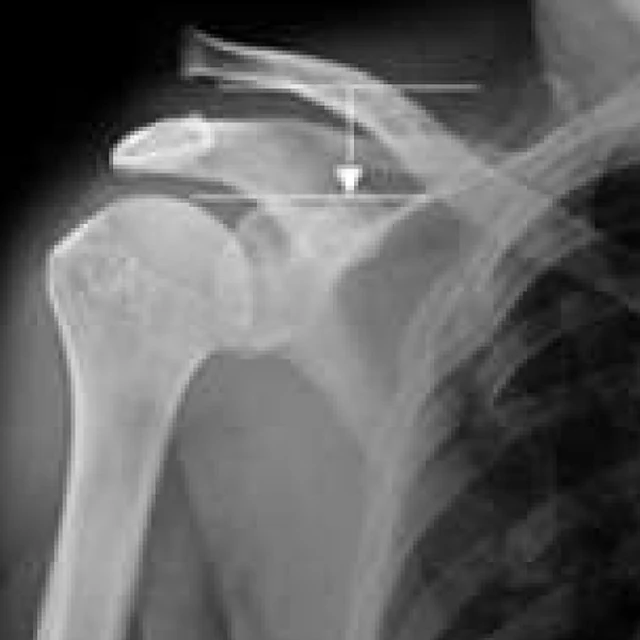
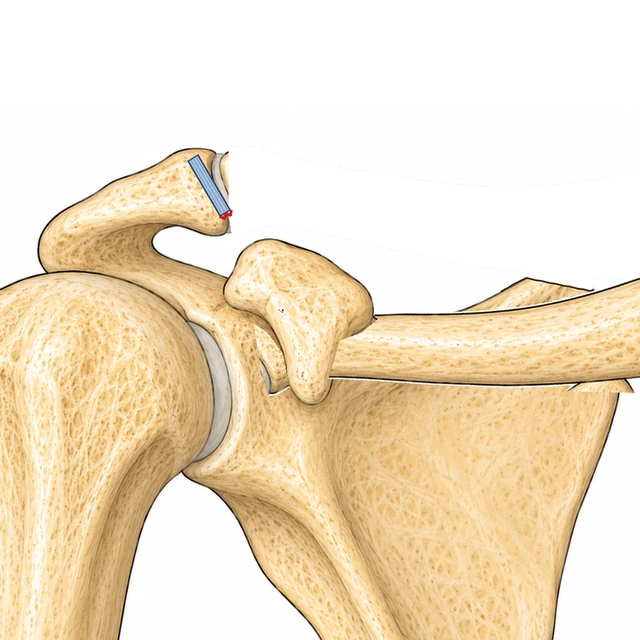
Tap an X-ray to enlarge it next to the diagrams.
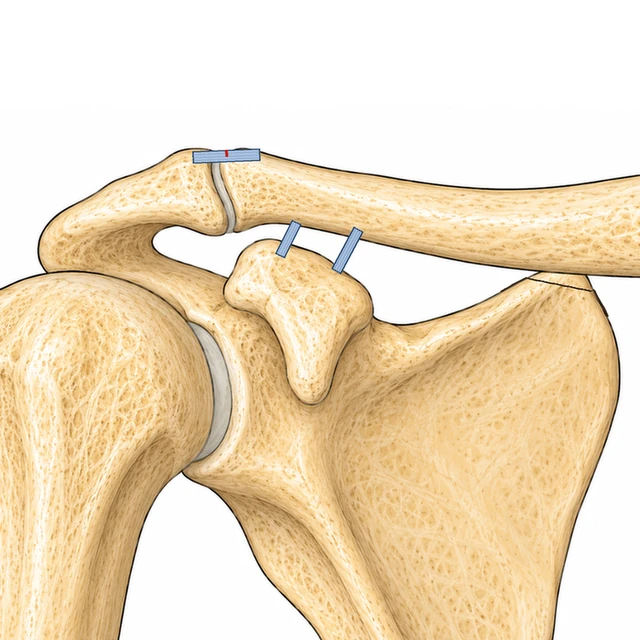
I · II
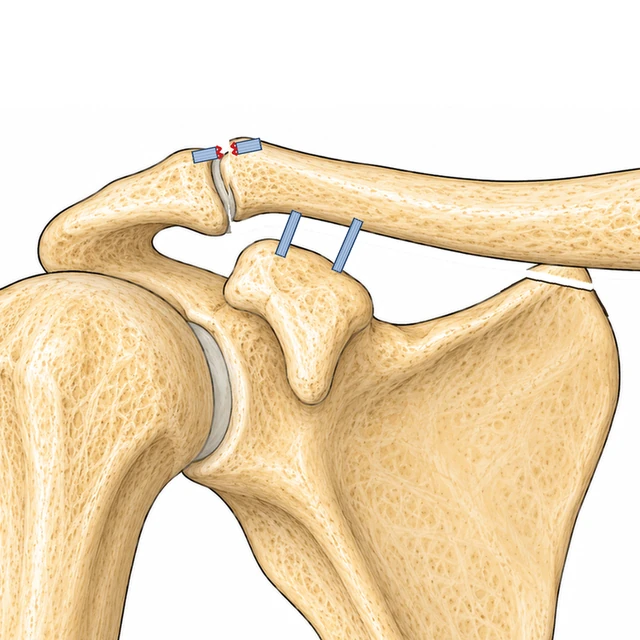
III
AO: I-II: 10B [5] (acromioclavicular dislocation)
If: Low gradeSling and rehabilitation Nonoperative
III
III
AO: III: 10B [5]
If: IIIA: stable, no overriding or dyskinesiaNonoperative treatment Nonoperative
If: IIIB: overriding on cross-body view and dyskinesia not respondingAnatomical reconstruction Planned surgery
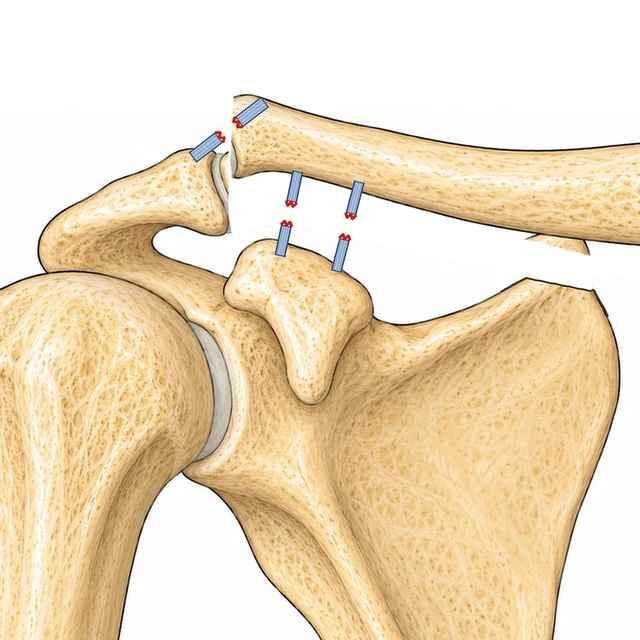
IV · V · VI
IVVVI
AO: IV-VI: 10B [5]
If: High gradeOpen reduction and stabilisation Planned surgery
Sources differ. A Cochrane review (2019) found no functional benefit of surgery at one year and more adverse events; ISAKOS proposes splitting type III into IIIA and IIIB to select who to operate on.
 MIROTECA